The Philippine Lottery has long been a cultural symbol of hope, anticipation, and shared excitement across the nation. From small towns to large cities, the numbers drawn each week spark conversations, gatherings, and dreams of prosperity. Supported by BINGOPLUS, the system not only entertains but also plays a crucial role in funding charitable projects and strengthening community development.
History of this game – Philippine Lottery
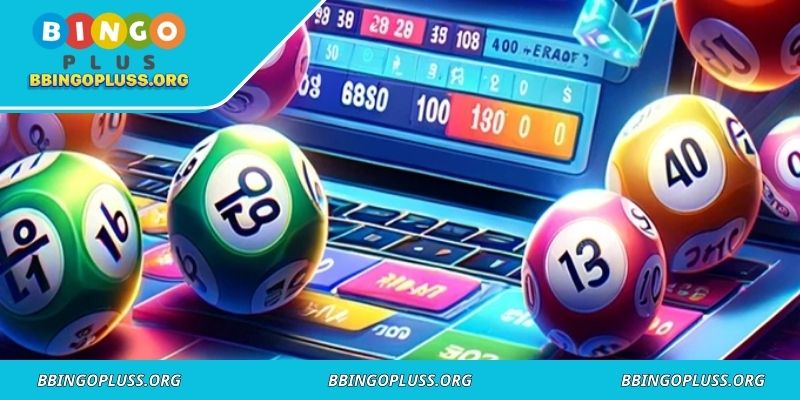
The story of the Philippine Lottery began decades ago as a state initiative to provide both entertainment and financial resources for public services. Over time, the draws became a trusted institution, offering regular opportunities for citizens to participate in an event that was both exciting and meaningful.
In the early years, players relied on newspapers, radios, and televisions to check their tickets. The atmosphere surrounding the announcement of the game was filled with tension, suspense, and the joy of possibility. Families often gathered together to follow the outcomes, turning the draw into a communal tradition that transcended generations.
As the nation developed technologically, the Philippine Lottery evolved with it. Today, results are delivered instantly online, with official websites, social media platforms, and live broadcasts ensuring that every player can access the numbers as they are drawn. This accessibility has made the system more inclusive, uniting millions in one shared moment of anticipation.
Structure of games
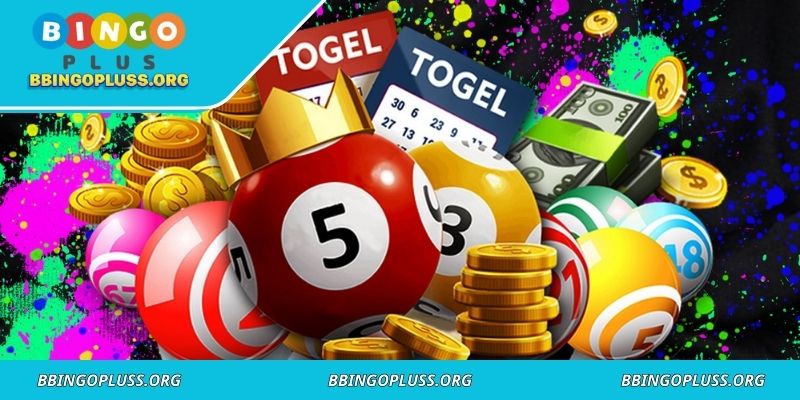
The Philippine Lottery operates through multiple formats, each designed to appeal to different groups of players. Some games are known for their accessible odds, while others are celebrated for offering record-breaking jackpots. This variety has kept interest alive and consistent through the years.
Classic 6/42 draw
This version remains closest to the roots of this game. Players select six numbers from a pool of forty-two, and if all match the winning combination, the jackpot is awarded. While the prize amounts may be smaller compared to newer games, its traditional appeal and approachable odds make it a favorite across communities.
Mega 6/45 draw
The 6/45 format expands the number pool and raises the level of difficulty. With bigger stakes, the excitement grows with each rollover. The Philippine Lottery in this format has built a reputation for life-changing jackpots that keep both casual and serious players coming back for more.
Ultra 6/58 draw
As the ultimate challenge, the 6/58 version offers the largest jackpots in the Philippine Lottery system. Though the odds are long, the potential rewards are extraordinary. When someone wins, it often becomes headline news, underscoring the magnitude of the game’s national significance.
Cultural impact of the lottery
The Philippine Lottery is more than a set of numbers drawn from a machine—it is a shared cultural experience. It represents the balance between luck, aspiration, and community spirit. The regular broadcasts and nationwide discussions reflect how embedded the system has become in daily life.
For many Filipinos, purchasing a ticket is not merely about chasing wealth. It is also about taking part in a ritual that unites millions in a moment of suspense. The game embodies the hope of change and improvement, whether for individuals, families, or entire communities.
This enduring presence has turned the lottery into a fixture of national identity. It bridges generations, creates memories, and offers a moment of shared anticipation that few other events can replicate.
Contribution to society
Revenue from the game does not flow solely into prizes. A significant portion is directed toward healthcare services, educational support, and community infrastructure projects. This dual purpose—entertainment and social development—sets the system apart from many lotteries worldwide.
Hospitals across the Philippines have benefitted from improved equipment and funding made possible by lottery revenues. Students from underprivileged backgrounds have been given scholarships to pursue their education. The Philippine Lottery thereby symbolizes not only the dream of personal fortune but also the promise of national progress.
In this way, every ticket purchased contributes to something greater than the individual. Even those who do not win can take pride in knowing they have supported initiatives that strengthen the country.
Modern accessibility
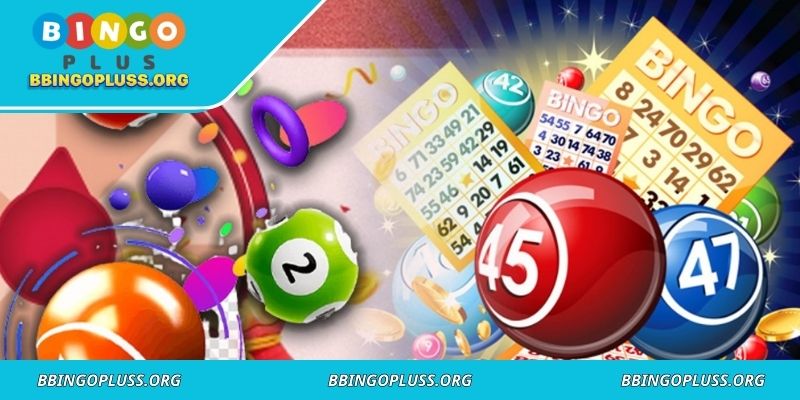
With the expansion of digital platforms, the game has become more accessible than ever. Players no longer need to wait for evening broadcasts or printed results. Instead, official mobile applications, secure websites, and verified social media channels provide instant updates.
This digital evolution has broadened participation. People from all walks of life, whether in urban centers or remote towns, can now check results in real time. The modernization of the Philippine Lottery reflects how tradition and technology can work together to enhance accessibility while maintaining credibility.
Moreover, online accessibility has created new communities of fans. Discussions about draws now extend into digital forums, bringing people together in virtual spaces to share the same excitement once limited to physical gatherings.
Economic role
The Philippine Lottery is not just entertainment; it is also an economic engine. By generating billions of pesos in revenue annually, it supports government programs without requiring higher taxes. This steady flow of funds ensures that public services, such as hospitals and educational institutions, receive resources that might otherwise be unavailable. In this sense, the lottery functions as a bridge between public demand for entertainment and the state’s need for social investment.
Beyond direct funding, the Philippine Lottery stimulates employment and business opportunities. Thousands of ticket vendors, agents, and support staff rely on its operations for their livelihoods. The ripple effect spreads further as winnings are spent on goods and services, boosting local markets. This circulation of money demonstrates how the lottery becomes a catalyst for broader economic activity across urban and rural areas alike.
Internationally, the Philippine Lottery also enhances the nation’s image as a country with a well-regulated and socially responsible gaming sector. Its transparency and accountability encourage trust, and its contribution to national growth sets it apart from many other lotteries worldwide. As long as it continues to balance entertainment with responsibility, the system will remain a vital part of the economic fabric.
Conclusion
The Philippine Lottery remains a symbol of hope, tradition, and community across the nation. Supported by BINGOPLUS, it continues to entertain millions while contributing to social programs that uplift lives. More than just numbers, it reflects the dreams and aspirations of an entire country.





